Gym Equipment Workout Plan: Match Your Moves to What’s Available
A useful workout plan fits the equipment you can actually use. Learn to organize training by movement pattern, make sensible swaps, and build a flexible two-day template.
In this article
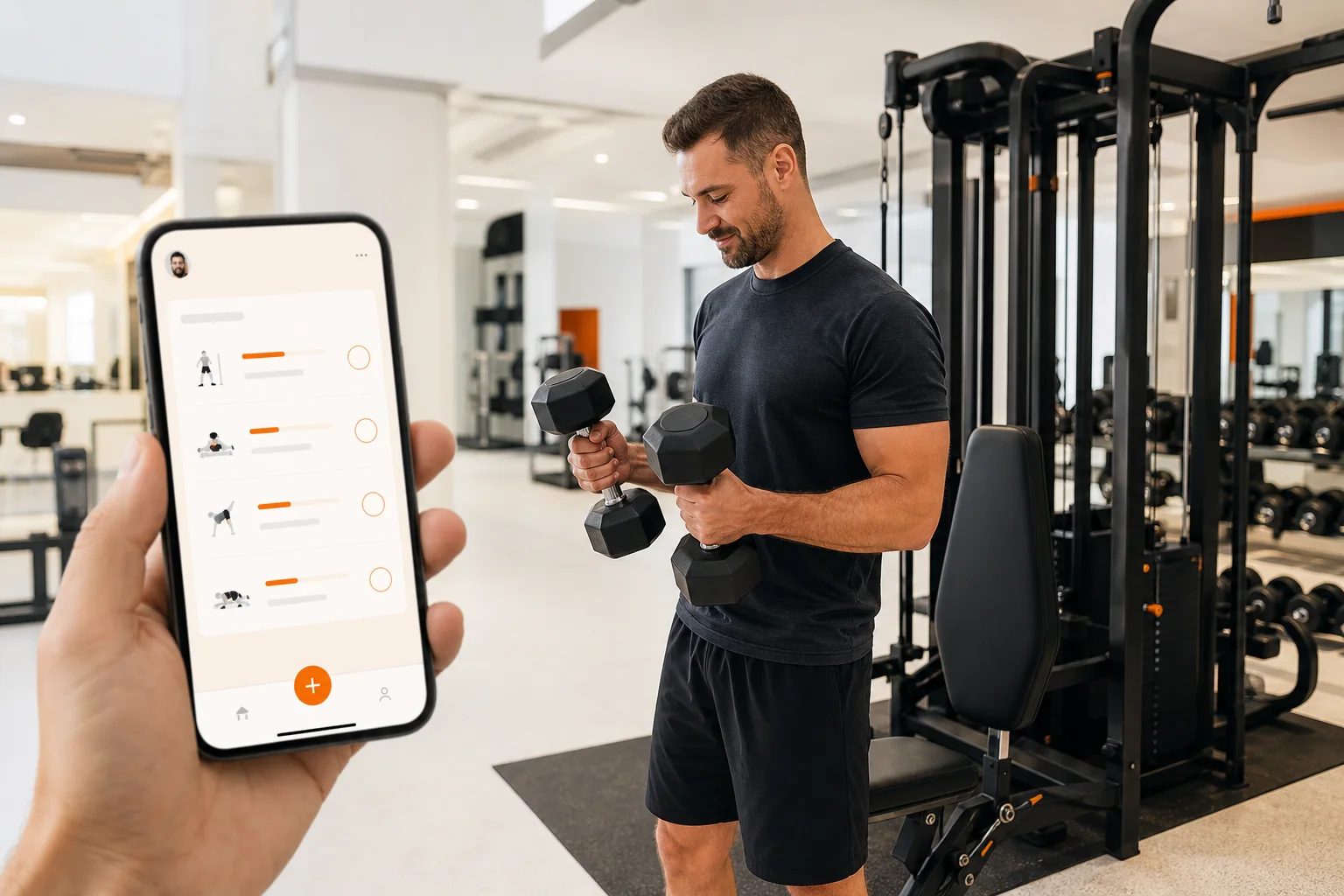
A gym equipment workout plan is easier to follow when it starts with the equipment you can reliably access—not a list of ideal exercises that depends on a particular machine being free. The key is to plan around movement patterns, then choose a suitable tool for each one. That way, a cable station, dumbbells, resistance bands, or body weight can all help you complete the session you intended.
This approach also makes substitutions less stressful. If your preferred station is occupied, you can keep the purpose of the exercise and change the equipment. You do not need a completely new routine every time the gym is busy.
Build your gym equipment workout plan around movement patterns
Instead of beginning with a specific machine, think about the broad actions your session should include. A balanced full-body routine might cover a squat or lunge, a hip-hinge movement, a push, a pull, and an exercise that challenges the trunk. These are planning categories, not a requirement to do every variation in one workout.
For general strength training, the U.S. Physical Activity Guidelines recommend strengthening all major muscle groups on at least two days each week. The American College of Sports Medicine’s 2026 resistance-training guidance also emphasizes choosing a routine that fits your goals and that you can maintain; its summary notes that machines, free weights, bands, and body-weight exercises can all be options.
Choose equipment by what it helps you do
- Machines: Useful when you want a guided path of movement or a convenient way to select a resistance. Check that the seat and setup suit you before starting.
- Dumbbells and kettlebells: Versatile options for presses, rows, squats, hinges, and single-side movements. Select a load you can control throughout the intended range.
- Barbells: Useful for some loaded movements, but they require appropriate setup and technique. Choose them when you are comfortable with the lift and the needed rack or space is available.
- Cables and resistance bands: Handy for pulling, pressing, and some single-joint movements. Their setup and direction of resistance matter, so position them securely.
- Body weight: A practical fallback for movements such as squats, split squats, push-ups, and glute bridges, with variations available to adjust the challenge.
Equipment is a way to provide resistance, not the goal of the workout. For more ways to plan around a single tool, see our dumbbell-only workout plan and resistance band workout plan.
Use a simple substitution rule when equipment is unavailable
When a station is taken, swap the exercise for another option with a similar purpose. Keep the pattern, choose equipment you can set up safely, and use a manageable resistance. A substitution does not need to look identical to the original movement to be useful.
- Squat pattern: A leg-press machine could be replaced with a goblet squat or a body-weight squat, depending on your experience and available space.
- Hip hinge: If your planned barbell hinge is unavailable, consider a dumbbell Romanian deadlift or a glute bridge if those movements are familiar and appropriate for you.
- Horizontal push: A machine chest press might be swapped for a dumbbell bench press, or a push-up variation if a bench is occupied.
- Pull: A seated cable row could become a dumbbell row or a resistance-band row, provided you can anchor and use the band securely.
- Trunk work: If a cable station is busy, use a familiar body-weight option such as a dead bug or plank variation.
These are examples, not one-size-fits-all prescriptions. Keep your current ability, comfort, setup, and available space in mind. If you are unsure how to perform an unfamiliar exercise, ask a qualified trainer to help you learn it rather than improvising with equipment.
A flexible two-day full-body template
The template below shows how one plan can accommodate different equipment. Choose one option for each line based on what is available and what you can perform with control. Start with a comfortable amount of work; you can adjust the exercises, sets, repetitions, and resistance as you learn what fits your schedule and training level.
Day A
- Squat or knee-dominant movement: leg press, goblet squat, or body-weight squat.
- Horizontal push: machine chest press, dumbbell bench press, or a suitable push-up variation.
- Pull: seated cable row, one-arm dumbbell row, or band row.
- Hip hinge: dumbbell Romanian deadlift or glute bridge.
- Trunk: dead bug, plank variation, or another familiar controlled exercise.
Day B
- Single-leg or squat variation: split squat, step-up, or a different comfortable squat option.
- Vertical or angled push: machine shoulder press, dumbbell press, or a push-up variation suited to your current level.
- Vertical pull: lat pulldown or an appropriate band pulldown setup.
- Hip extension: hip thrust, glute bridge, or another familiar hinge variation.
- Trunk: side plank variation or a controlled carry if suitable equipment and space are available.
These sessions are examples to help you organize equipment choices, not a personalized prescription. You can spread strength sessions across the week and leave time between them if that helps you recover and stay consistent. If two days is more than your current routine, begin with a manageable schedule and build gradually.
Make the plan easy to repeat and adjust
Record the version you actually performed
If you replace a machine exercise with dumbbells, note the exercise you did rather than recording the planned movement as though you completed it. Keeping an accurate workout record makes it easier to compare similar sessions later. For practical logging ideas, read our exercise tracking app guide.
Progress one useful detail at a time
When an exercise feels controlled and repeatable, consider a small change such as adding a repetition, using a slightly heavier load, or improving consistency. You do not need to increase everything at once. A progressive overload workout plan can help you think about gradual, trackable changes without turning each session into a test.
Use a fallback list before you arrive
For each main exercise, write down one or two acceptable alternatives that use equipment commonly available to you. For example: “row: cable station; if occupied, dumbbell row.” This reduces decision-making during the workout and helps you keep the session focused. If a substitute changes the movement in a way you do not understand, skip it and choose a familiar option instead.
Keep your GymPT plan practical
In GymPT, you can build a manual program without AI credits, request optional AI assistance, or review a program proposal from your personal trainer and decide whether to save and use it. Whatever route you choose, make sure the program reflects the equipment you can use, your schedule, and exercises you know how to perform. Optional AI support can help with planning, but it does not replace your judgment or a real trainer’s guidance.
If you work with a personal trainer through GymPT, they can review only the programs, workout records, and notes you permit them to share. That can make a permission-based conversation about substitutions more useful: tell your trainer which equipment you can access and which planned exercises are hard to complete, then review any proposed changes before choosing whether to use them.
Quick checklist
- Choose a few movement patterns before choosing specific machines.
- Match each pattern to equipment you can access and use confidently.
- Prepare a familiar substitute for busy or unavailable stations.
- Record what you actually did, including equipment changes.
- Adjust gradually, and ask a qualified trainer if you need help choosing or learning a movement.
The best gym equipment workout plan is not the one with the most complicated equipment list. It is a clear routine with realistic exercise options, so a busy gym or a change in available gear does not stop you from completing a sensible session.