40 Minute Gym Workout Plan: Build a Week You Can Repeat
A useful 40-minute gym workout is more than a list of exercises. Use this practical guide to plan sessions, choose a weekly frequency, recover and progress at a pace you can repeat.
In this article
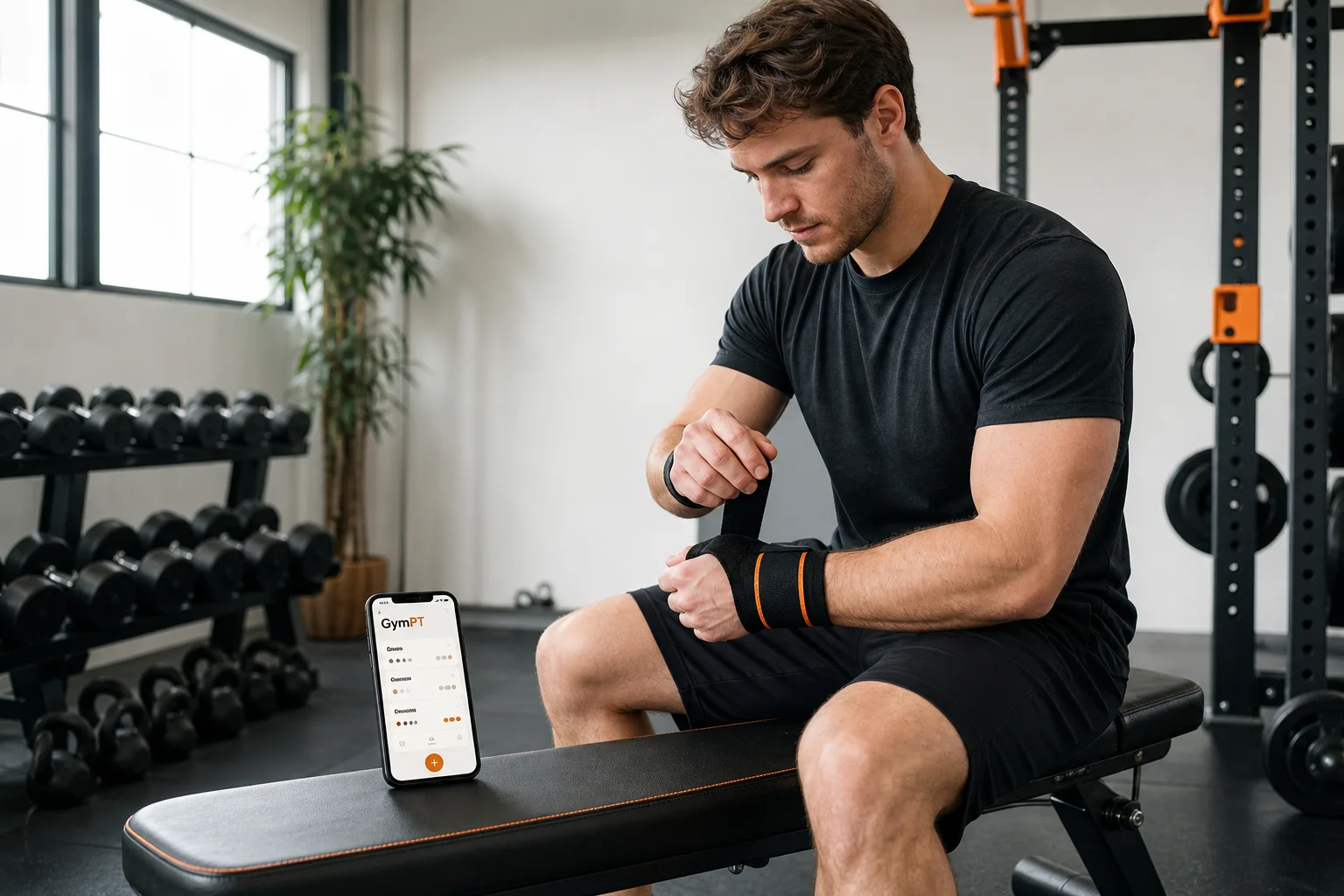
A good 40 minute gym workout plan makes room for a warm-up, focused strength work, rest between sets and a quick record of what you did. It does not need to cram in every exercise or turn each minute into a race. The aim is a session you can complete with steady effort and repeat across a realistic week.
Below is a full-body template, options for different experience levels, and examples of how to schedule two, three or four weekly sessions. Adjust the exercises to your equipment, goals and comfort. If you are new to training, keep the first weeks simple and learn the movements before adding more work.
What a 40-minute gym workout plan should include
For general strength training, plan to work the major muscle groups across your week. The American College of Sports Medicine’s 2026 resistance-training guidance emphasizes regular training of all major muscle groups at least twice weekly, while noting that the best plan is one a person can maintain. That does not mean every session must be long or complicated.
Use these four parts to manage the clock:
- Warm-up: 5 minutes. Move easily, then rehearse the first exercise with light or bodyweight practice.
- Main strength work: 27–29 minutes. Choose a small number of movements and allow enough rest to perform them with control.
- Transitions: about 3 minutes. Set up equipment and move between stations without rushing.
- Workout notes: 2–3 minutes. Record exercises, sets, repetitions and any adjustments for next time.
These are planning estimates, not a stopwatch test. Busy equipment, longer setup or extra rest may push a session over 40 minutes. If that happens, finish safely rather than hurrying through a set.
A practical 40-minute full-body workout
This template covers a squat, a hip hinge, an upper-body push and pull, and a trunk exercise. Choose a variation you can perform comfortably with the equipment available. Start with a load that lets you complete the planned repetitions with controlled technique; leave a few good repetitions in reserve rather than forcing every set to failure.
- Squat pattern: 2–3 sets of 6–10 repetitions. Options include a goblet squat, leg press or a squat variation you already know.
- Upper-body push: 2–3 sets of 8–12 repetitions. Try a machine chest press, dumbbell press or push-up variation.
- Upper-body pull: 2–3 sets of 8–12 repetitions. Choose a seated cable row, chest-supported row or another stable row variation.
- Hip hinge: 2–3 sets of 8–10 repetitions. Options include a dumbbell Romanian deadlift or a controlled hip-extension machine.
- Trunk exercise: 2 sets of 20–40 seconds or 8–12 controlled repetitions. A plank variation or dead bug works well.
For a time-conscious session, alternate the push and pull exercises: complete a set of one, rest as needed, then do a set of the other. This can reduce waiting without removing recovery. You can also alternate the trunk exercise with another movement if doing so does not compromise your technique or equipment access.
Use the clock without rushing
- Minutes 0–5: easy movement and exercise-specific warm-up sets.
- Minutes 5–12: squat pattern, including setup and rest.
- Minutes 12–23: upper-body push and pull, alternating as practical.
- Minutes 23–32: hip hinge and trunk exercise.
- Minutes 32–37: finish any planned sets, allowing more rest if needed.
- Minutes 37–40: record the session and note a next-step adjustment.
Keep the first few minutes flexible: if you need extra time to warm up or learn an exercise, reduce the number of sets rather than speeding through repetitions.
Adjust the plan to your experience level
If you are a beginner
Start with two sets per exercise and choose stable, easy-to-learn variations. For example, use a leg press, machine chest press and seated row while you build familiarity. Keep the session at two or three days a week, with a day between full-body strength sessions when possible. If five exercises feel like too much, complete four and add the fifth later.
If you have some training experience
Use three sets for the movements that match your priorities and two sets for the rest. Keep the exercise list steady for several weeks so you can compare like with like. You might use free weights for familiar movements and machines when equipment availability or setup makes them a better fit.
If you are experienced or short on time
Keep the main movements, but be selective about extra sets. Pair exercises that use different muscle groups, such as a press and a row, while still resting enough to maintain good repetitions. Do not assume that adding more exercises is automatically better; a focused session is often easier to recover from and repeat.
Choose a weekly frequency you can recover from
Start with the number of sessions that fits your schedule and allows you to return feeling ready to train. For many people, two or three strength sessions provide a workable starting structure. A fourth session can make sense when you already recover well and prefer shorter or more divided workouts. These are examples, not requirements.
- Two days: Full body on Monday and Thursday, or any two days with a rest day between them.
- Three days: Full body on Monday, Wednesday and Friday. Alternate workout A and B, or repeat the same simple template while learning.
- Four days: Upper body on Monday and Thursday; lower body on Tuesday and Friday. Keep each day focused, and avoid adding volume just to fill the time.
Recovery is individual. Sleep, work, other activities and training effort can all affect how ready you feel. If performance is repeatedly dropping or you are carrying unusual fatigue into every session, consider reducing sets, using a lighter load or taking an extra rest day. You do not need to treat every week as a test of maximum effort.
Progress gradually instead of changing everything
Progression can be simple. First, aim to complete your planned sets and repetitions with consistent form. When you can reach the top of the chosen repetition range comfortably across all sets, make a small increase in load next time if the equipment allows. Then build repetitions again. If a movement feels unstable or the new load changes your technique, return to the previous load and practice.
Keep a brief log of the exercise variation, load, sets and repetitions. Include a note when you change equipment or shorten a movement’s range, since those details help you compare sessions fairly. For more on making sensible changes over time, see our progressive overload workout plan and guide to keeping a useful workout log.
If your gym is busy, have a backup movement for each exercise rather than abandoning the whole session. A machine press can replace dumbbell pressing; a different row station can cover a similar pulling pattern. Our gym equipment workout plan explains how to match exercises to the equipment you can use.
Make the plan fit real life
Choose days you are likely to keep, and decide ahead of time what a shorter session will look like. On a packed day, do the warm-up and the first three main movements, then record what you completed. Resume the plan next time instead of trying to make up every missed set. A repeatable schedule usually beats an ambitious one that is frequently postponed.
GymPT members can build a manual program without AI credits and use a free account to save records and connections. If you work with a personal trainer, they can prepare a program proposal for you to review; you decide whether to save and use it. Optional AI support is not required for core training, and some optional actions or eligible Premium features have separate requirements shown before use. For help adjusting a weekly schedule around changing availability, read our guide to adapting a workout plan to your week.
A 40-minute session works when its length supports consistent training rather than rushed training. Pick a manageable set of movements, leave enough recovery between sets, and make one small progression at a time. Review your notes after a few weeks and adjust the plan to what you can perform well and repeat.