Glute Workout Plan: A Practical Two-Day Routine
A useful glute routine does not need a long list of exercises. Start with two balanced sessions each week, combine hip-extension and squat or lunge patterns, and progress gradually as your technique and recovery allow.
In this article
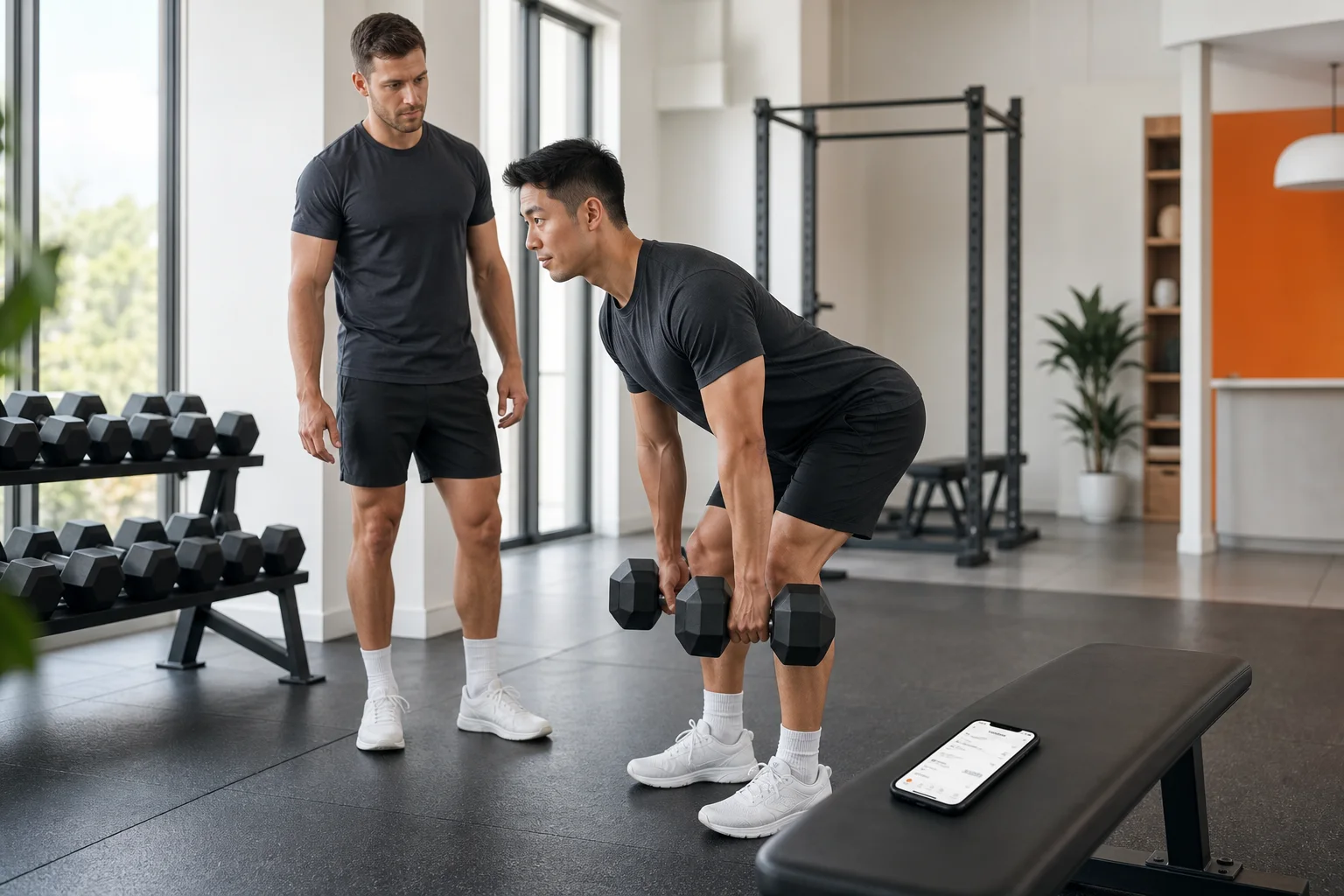
A useful glute workout plan is built around repeatable training, not a dozen different exercises in one session. For many members, two focused lower-body workouts each week provide a manageable starting structure. Each session can include a hip-extension movement, a squat or lunge pattern, and—if useful—one smaller accessory exercise.
The goal is to choose movements you can perform consistently, record what you do, and make small changes when the work starts to feel manageable. You can train at a gym or at home with appropriate equipment. The example below is a general fitness template, not a personalized prescription; adjust it to your experience, equipment, and wider training week.
What makes a balanced glute workout plan?
The gluteal muscles contribute to hip movement and help control the pelvis during lower-body tasks. No single exercise is required for everyone. Squats, step-ups, lunges, hip thrusts, and deadlift variations all offer ways to train hip extension or related lower-body patterns, with different equipment needs and movement demands.
Research reviews comparing exercises often measure muscle activity using electromyography (EMG). Those findings can help describe what muscles do during a movement, but an EMG ranking alone does not prove which exercise will produce the most long-term progress for every person. Choose exercises you can control, load appropriately, and repeat comfortably rather than chasing a supposed “best” move.
A practical routine usually includes:
- A hip-extension exercise: such as a glute bridge, hip thrust, or Romanian deadlift.
- A squat or lunge pattern: such as a goblet squat, split squat, reverse lunge, or step-up.
- An optional accessory: such as a band lateral walk or cable hip abduction, if it fits your goals and equipment.
You do not have to use every category in every workout. The aim is to cover a few useful movement patterns across the week without adding unnecessary volume.
A simple two-day glute training routine
Leave time between focused lower-body sessions so you can approach each workout with good control. For example, you might train on Monday and Thursday, or place the sessions around other workouts in a way that suits your week. The right schedule is the one you can repeat while balancing your other training.
Workout A: hip extension and squat pattern
- Hip thrust or glute bridge: 2–3 sets of 8–12 repetitions.
- Goblet squat or bodyweight squat: 2–3 sets of 8–12 repetitions.
- Reverse lunge or supported split squat: 2 sets of 8–10 repetitions per side.
Workout B: hinge and single-leg pattern
- Dumbbell Romanian deadlift: 2–3 sets of 8–12 repetitions.
- Step-up or split squat: 2–3 sets of 8–10 repetitions per side.
- Optional band lateral walk: 2 sets of 10–15 controlled steps in each direction.
These ranges are a starting point, not a test you need to pass. If you are new to strength training, begin with two sets and a lighter load, or practise a comfortable bodyweight variation. If an exercise is unfamiliar, reduce the challenge until you can perform it with steady control. A beginner strength training plan can help you place lower-body work within a broader routine.
How to choose exercises and adjust them
Use the version that matches your current skill, equipment, and confidence. You might start with bodyweight glute bridges and supported split squats, then later add a dumbbell or choose a more challenging variation. At home, a sturdy step and resistance band may offer useful options; at a gym, you may prefer a machine or free weights.
- For a hip thrust or bridge: use a comfortable range of motion and avoid forcing your lower back to create extra movement at the top.
- For a squat or split squat: choose a depth you can control while keeping your balance. Holding a stable support can make a single-leg variation easier to learn.
- For a Romanian deadlift: move your hips back, keep the weights close, and stop the descent when you can no longer maintain a controlled position.
- For a step-up: use a step height that lets you move smoothly without pushing off excessively from the trailing foot.
If an exercise causes pain, stop and choose a comfortable alternative. Persistent or concerning symptoms are a reason to seek guidance from an appropriately qualified professional; a general workout template cannot assess an individual injury or health concern.
Progress gradually, not randomly
Progression means giving your muscles a slightly greater challenge over time while keeping the exercise manageable. You do not need to increase weight at every workout. First, make your repetitions controlled and consistent. Then use a simple method:
- Pick a repetition range. For example, aim for 8–12 repetitions per set.
- Keep the load steady while you practise. Stop a set when you can no longer maintain good control or complete the planned repetitions comfortably.
- Add repetitions gradually. When you can complete the upper end of the range across your sets with consistent technique, consider a small increase in resistance.
- Reassess after the increase. It is normal for repetitions to fall back toward the lower end when the load goes up.
Other ways to progress include adding a set or choosing a slightly more challenging variation. Change one variable at a time so you can tell whether the adjustment suits you. For more on tracking gradual changes, see the progressive overload workout plan.
Track the details that help you repeat the plan
A workout log can make a routine easier to review. Record the exercise variation, sets, repetitions, load, and any brief note that will help you next time—for example, “use the lower step” or “keep the same dumbbells.” This gives you a practical reference without requiring a complicated spreadsheet.
In GymPT, members can create a manual program and save training records with a free account; building a manual program does not require AI credits. Optional AI assistance may require credits, and eligible Premium features have their own requirements displayed before use. If you work with a personal trainer, you can review and choose whether to save a program proposal. Trainers can review only the programs, workout records, or notes you permit them to share; sharing is not automatic.
For a straightforward logging approach, read how to build a workout log you’ll actually use. If your available equipment changes between sessions, this guide to adjusting a workout plan to real life offers another way to think about flexible programming.
Common planning mistakes to avoid
- Doing too many exercises at once: start with a few movements you can learn and track, then add work only if it fits your recovery and schedule.
- Changing the whole routine every week: familiar movements make it easier to practise and compare your training records.
- Copying a routine without adapting it: exercise choice, starting volume, and equipment should fit your experience and circumstances.
- Measuring a workout only by soreness: soreness is not a reliable progress score. Use consistent training records and your ability to perform the work under control.
Put the plan into practice
Start with two sessions that fit your real week. Choose one hip-extension movement and one squat or lunge pattern per workout, add an accessory only if you need it, and begin with a manageable number of sets. Record your work, repeat the plan long enough to assess it, and adjust one detail at a time.
A steady, well-organized glute workout plan should feel clear enough to follow and flexible enough to fit your broader training—not like a test of how many exercises you can squeeze into one day.