30-Minute Fat Loss Workout Plan: A Sustainable Full-Body Routine
A 30-minute workout can support fat loss when it fits into a consistent training routine and is paired with sustainable nutrition habits. Use this full-body plan to train efficiently without chasing unrealistic promises.
In this article
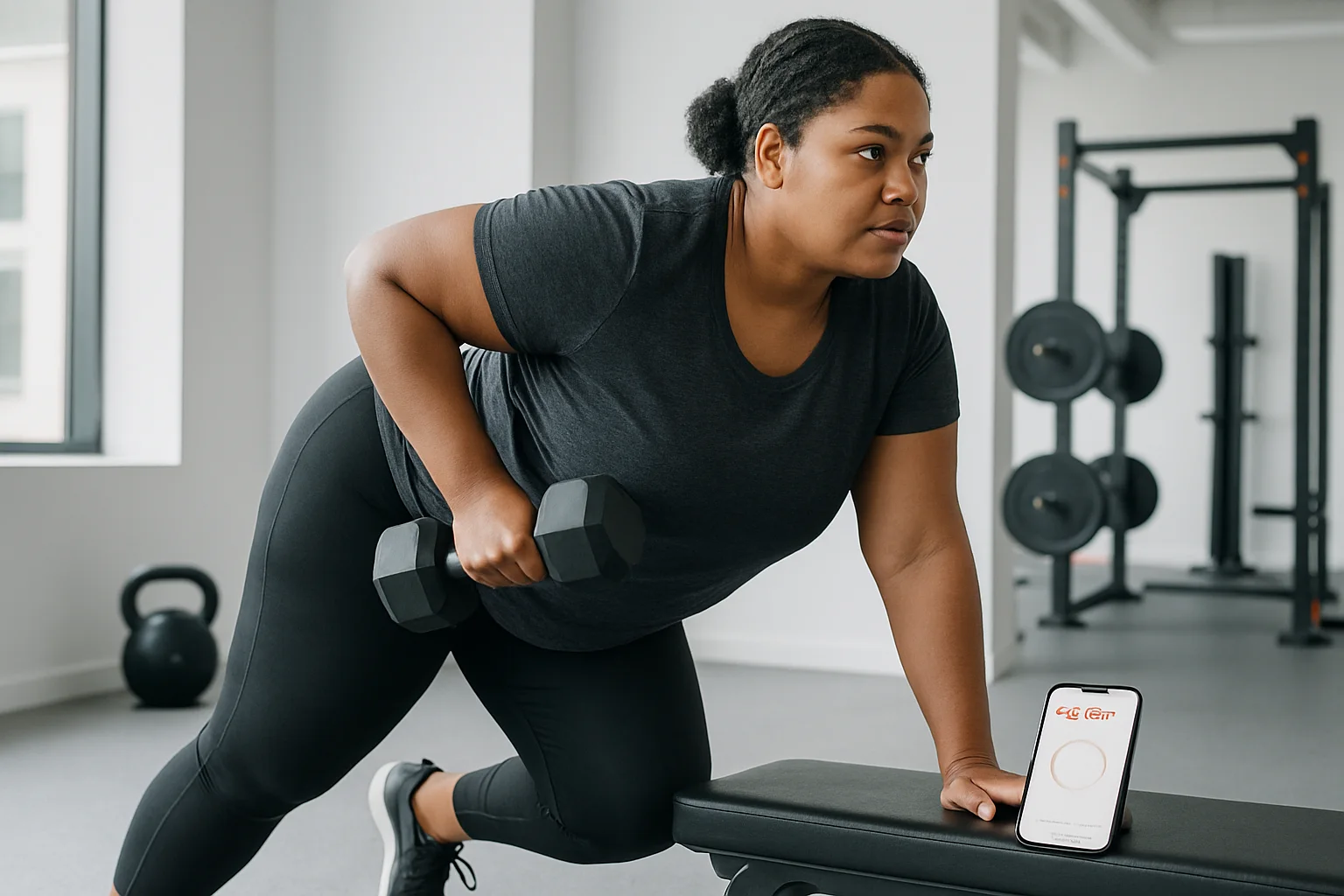
A 30 minute fat loss workout plan can be an effective way to build consistency, raise your heart rate, and train major muscle groups when your schedule is busy. It is not a shortcut or a guarantee of a specific amount of fat loss. Sustainable results depend on the balance between food intake, daily movement, recovery, and how consistently you follow your plan.
This routine combines full-body strength exercises with moderate cardio. The goal is to create a repeatable session that challenges you without requiring an exhausting workout every day. You can complete it in a gym or adapt it for home training with dumbbells, resistance bands, or bodyweight exercises.
What makes a 30-minute workout useful for fat loss?
Fat loss occurs when your overall energy expenditure is greater than your energy intake over time. Exercise can contribute to that balance, but a workout should not be treated as permission to ignore nutrition, sleep, or recovery. A practical plan is one you can repeat often enough to become part of your normal week.
Strength training is included because it helps you practice useful movement patterns and maintain a strong, capable body while you work toward a healthier weight. Cardio adds another way to increase activity and improve fitness. Combining both approaches gives you more flexibility than relying on one intense exercise session.
For general health, U.S. physical activity guidance recommends building toward at least 150 minutes of moderate-intensity aerobic activity each week, alongside muscle-strengthening activity on at least two days. One 30-minute session is a useful building block, but your weekly routine matters more than any single workout.
30 minute fat loss workout plan
Use the following structure for one efficient session. Choose loads and variations that allow controlled technique. During most working sets, you should feel challenged while still being able to perform the next repetition with good form.
Minutes 0–4: Warm-up
- Walk briskly, cycle, or use an elliptical for 2 minutes.
- Complete 8 bodyweight squats.
- Complete 8 alternating reverse lunges.
- Perform 10 hip hinges with your hands on your hips.
- Perform 10 arm circles in each direction.
The warm-up should gradually increase your temperature and prepare the joints and muscles you will use. It does not need to leave you tired before the main workout begins.
Minutes 4–24: Full-body strength circuit
Complete 3 rounds of the following five exercises. Rest for approximately 30–60 seconds between exercises when needed. If you are new to training, complete 2 rounds and focus on learning the movements.
- Squat variation: 8–12 repetitions. Use a bodyweight squat, goblet squat, or leg press.
- Push variation: 8–12 repetitions. Use an incline push-up, standard push-up, or dumbbell chest press.
- Pull variation: 8–12 repetitions. Use a resistance-band row, cable row, or one-arm dumbbell row.
- Hip hinge variation: 8–12 repetitions. Use a dumbbell Romanian deadlift or a light kettlebell deadlift.
- Core stability: 20–40 seconds. Use a plank, dead bug, or bird dog with slow, controlled movement.
Move from one exercise to the next at a steady pace, but do not rush through repetitions. If your technique changes significantly because you are fatigued, reduce the weight, shorten the set, or take a longer rest.
Minutes 24–28: Cardio finisher
Choose one low-impact option and work at a pace that feels purposeful but manageable:
- Fast walking on a treadmill
- Stationary cycling
- Elliptical training
- Rowing at a moderate pace
- Alternating 30 seconds of quicker movement with 30 seconds of easier movement
You should be breathing faster, but you should not need to sprint. A short finisher is optional; if you are returning after a long break, use these four minutes as easy steady-state movement instead.
Minutes 28–30: Cool down and record the session
Spend the final two minutes walking slowly and taking relaxed breaths. Then record the exercises, sets, repetitions, loads, and how the session felt. A brief note such as “used lighter dumbbells after round two” can make your next workout easier to plan.
How to adjust the workout for your fitness level
Beginner option
Use two rounds of the strength circuit, rest as needed, and choose stable variations. For example, perform box squats instead of free squats, incline push-ups instead of floor push-ups, and a supported dumbbell row instead of a demanding bent-over row.
Your first goal is not to make the session as difficult as possible. It is to finish with enough energy to recover and return for another workout later in the week.
Intermediate option
Complete three rounds and use a load that makes the final two repetitions challenging without sacrificing control. You can also reduce rest slightly, add a fourth round to selected exercises, or increase the cardio finisher to five minutes when the total session allows it.
Low-impact or home option
Replace jumping, running, or fast changes of direction with brisk walking, cycling, marching, or step-ups. At home, use a backpack with books, resistance bands, or a pair of dumbbells. The training effect comes from the movement pattern, effort, and progression—not from a particular brand of equipment.
How often should you do this workout?
For many members, two or three full-body sessions per week is a practical starting point. Leave at least one easier day between demanding strength sessions when possible. On other days, add walking, cycling, recreational activity, or another form of moderate cardio that you enjoy.
A simple weekly structure could look like this:
- Monday: 30-minute full-body workout
- Tuesday: Easy walk or normal daily movement
- Wednesday: 30-minute full-body workout
- Thursday: Rest or light activity
- Friday: 30-minute full-body workout
- Weekend: Optional walk, recreation, mobility, or rest
If three sessions are too much, begin with two. If your schedule changes, avoid treating a missed session as failure. Move the workout to another realistic day and continue.
For more ideas about arranging training across a week, see this weekly gym schedule for fat loss.
How to progress without making every workout harder
Progress does not always mean adding more intensity. Use one change at a time:
- Add one or two repetitions while keeping your form consistent.
- Increase the weight slightly when all prescribed repetitions feel controlled.
- Use a more demanding variation, such as a lower push-up incline.
- Add a small amount of walking or other easy activity during the week.
- Keep the same workout and improve your technique or rest management.
Repeat the same version for two or three weeks before changing several variables. This makes it easier to understand what is helping and prevents every session from becoming a test of maximum effort.
Recording your workouts can also reveal progress that the scale does not show immediately. More repetitions, better control, a heavier dumbbell, or improved recovery are all useful training signals. A 30-minute dumbbell workout plan can help you create a similar time-efficient structure around dumbbells.
Nutrition and calorie balance: keep the goal realistic
Exercise supports fat loss, but most people also need sustainable changes to food and drink intake. You do not need to eliminate an entire food group or follow an extreme plan. Start with one or two changes that reduce unnecessary calories while preserving adequate nutrition.
- Build meals around a source of protein, vegetables or fruit, and a satisfying carbohydrate or fat source.
- Replace some sugar-sweetened drinks with water or another lower-calorie option.
- Plan convenient meals for busy workdays so hunger does not make every decision for you.
- Use portions that leave you comfortable rather than overly full.
- Track meals temporarily if it helps you understand your current habits.
Weight can fluctuate because of hydration, food volume, stress, sleep, and other factors. Look at trends over several weeks rather than judging a single weigh-in. If you have a medical condition, take medication that affects weight, are pregnant, or have concerns about changing your exercise or nutrition, seek appropriate professional advice before starting a new plan.
Use GymPT to make the routine easier to follow
A workout is more useful when it is easy to review and repeat. In GymPT, you can build a manual program without AI credits, save your training records, and keep your workout history in one place. You can also request optional AI assistance when it is useful, or review a program proposal prepared by a real personal trainer before deciding whether to save and use it.
If you work with a trainer, share only the programs, workout records, and notes you want that trainer to review. A trainer can use those permitted records to follow up on consistency, discuss exercise substitutions, and prepare a revised proposal when your needs change. Any optional weekly AI summary also depends on the appropriate permissions being granted.
For a broader approach to choosing between self-directed training and professional support, read gym member program choice. If you want a clearer process for sharing training information with a trainer, this guide to personal trainer client data permissions explains why permission-based access matters.
Common mistakes to avoid
- Expecting one workout to cause rapid fat loss: Results come from repeated habits and overall calorie balance.
- Turning every session into a sprint: Excessive intensity can reduce recovery and make consistency harder.
- Skipping strength work: A balanced routine includes resistance exercises as well as cardio.
- Changing the plan every session: You need enough repetition to measure progress.
- Ignoring pain or unusual symptoms: Stop an exercise that causes concerning pain and seek qualified advice when appropriate.
Final takeaway
This 30-minute fat loss workout plan gives you a practical mix of strength training, cardio, and progress tracking. Use it two or three times per week, support it with sustainable eating and regular daily movement, and adjust the exercises to match your current ability. The most effective plan is not the one that sounds extreme—it is the one you can perform safely, record clearly, and continue long enough to become a habit.