2 Day Machine Only Workout Plan: A Practical Full-Body Routine
Build a simple full-body routine around the machines your gym has. This two-day plan includes exercise options, setup tips, and a straightforward way to progress.
In this article
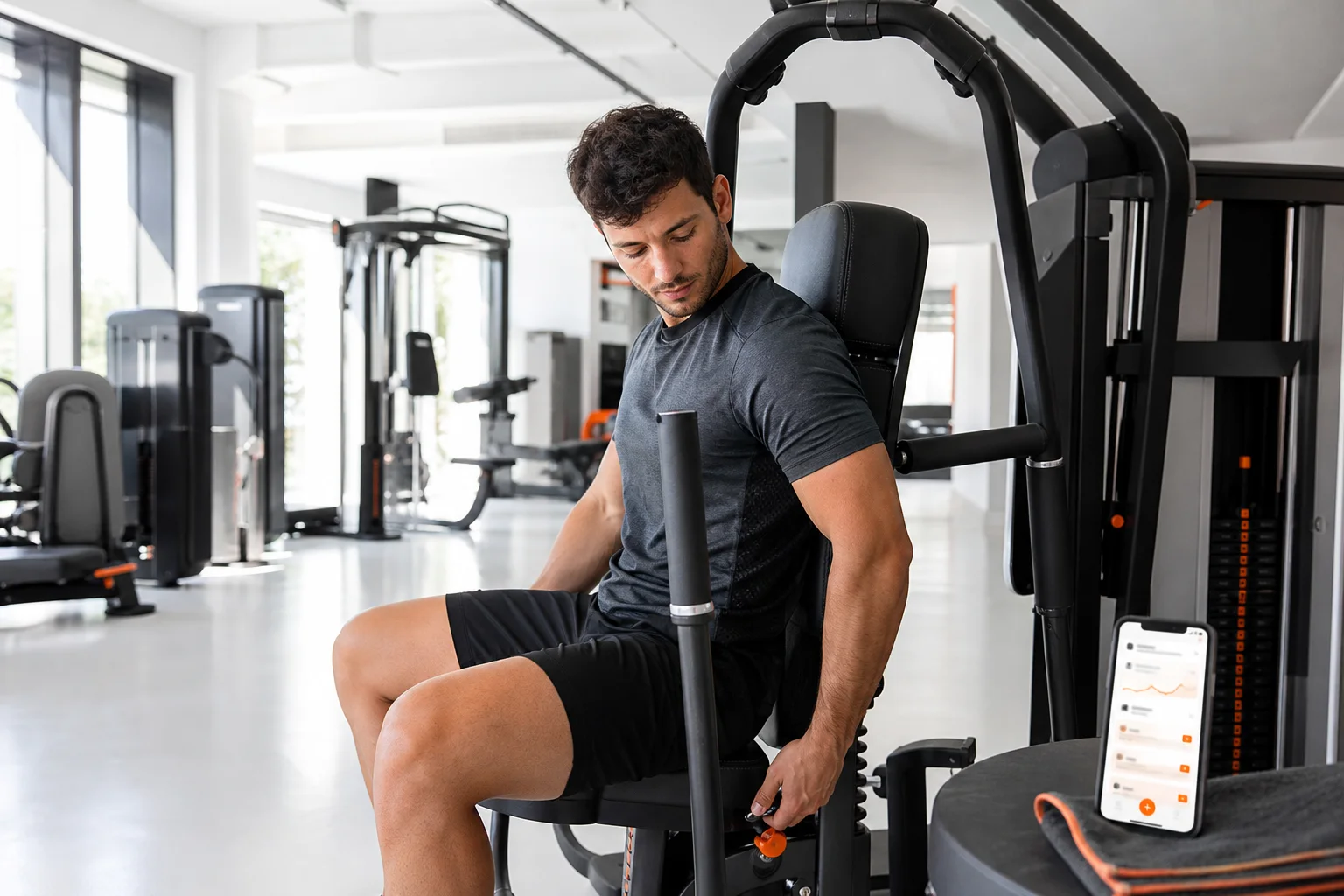
A 2 day machine only workout plan can help you train your whole body without relying on dumbbells or barbells. The key is to choose machines that cover the main movement patterns, set them up to fit your body, and repeat a routine you can follow consistently. You do not need every machine in the gym: use the options available and swap exercises by the muscles and movement they train.
The plan below is designed for two non-consecutive sessions each week. It uses familiar machines for legs, chest, back, shoulders, and trunk, with alternatives for common equipment gaps. Start with a manageable amount of work, then build gradually as the routine becomes familiar.
How to choose exercises for a 2 day machine only workout plan
For a balanced routine, cover the major areas of the body across the week: legs and hips, chest, back, shoulders, arms, and abdomen. A practical way to do this is to select machines for a knee-dominant leg movement, a chest press, a pulling movement for the back, a hamstring exercise, and a trunk exercise. Add a shoulder movement if time and comfort allow.
Machine names and layouts vary between gyms. Choose by what the exercise does, not by the exact name on the equipment. A chest press can stand in for another chest-press machine; a different leg-press model may cover the same basic pattern. If the gym lacks a particular option, use the substitution guidance below rather than skipping the whole session.
Machines can make it easier to repeat a consistent path of movement, but they still need correct adjustment. Before a set, check the seat, handles, pads, and starting position. Follow the machine’s instructions, and ask gym staff for help if you are unsure how to set it up.
The two-day machine-only routine
Try scheduling the sessions on days such as Tuesday and Friday, or Monday and Thursday, so there is a rest day between them. Begin each workout with a few easy minutes on a cardio machine if you like, then do a light practice set on your first strength machine before working sets.
Day A: Pressing, rowing, and legs
- Leg press: 2 sets of 8–12 repetitions.
- Chest press: 2 sets of 8–12 repetitions.
- Seated row machine: 2 sets of 8–12 repetitions.
- Seated or lying leg curl: 2 sets of 8–12 repetitions.
- Machine shoulder press: 1–2 sets of 8–12 repetitions.
- Abdominal crunch machine: 1–2 sets of 10–15 controlled repetitions.
Rest long enough between sets to regain control and be ready to use good technique. Around one to two minutes is a useful starting point; take more time if you need it. Move the weight smoothly rather than bouncing through the machine’s range.
Day B: A second full-body session
- Hack squat or leg press: 2 sets of 8–12 repetitions.
- Lat pulldown machine: 2 sets of 8–12 repetitions.
- Incline chest press machine: 2 sets of 8–12 repetitions. If unavailable, use the regular chest press.
- Seated leg curl: 2 sets of 8–12 repetitions.
- Hip extension or glute-drive machine: 1–2 sets of 8–12 repetitions. If your gym does not have one, use a comfortable leg-press variation instead.
- Abdominal crunch machine: 1–2 sets of 10–15 controlled repetitions.
If a machine is occupied, do another exercise for the same general movement or muscle group. For example, substitute a different chest-press machine for the incline press, or use a leg press instead of a hack squat. If the closest alternative is unavailable too, move to the next exercise and return later. A workout does not have to follow a rigid order to be useful.
Choose a starting load and progress gradually
For each exercise, choose a weight you can lift for the listed repetitions with steady control. The final repetitions should feel challenging, but you should not need to jerk, shorten the movement to force reps, or lose your position. When you finish a set feeling that you could easily do many more repetitions, increase the load a little next time. If you cannot reach the bottom of the rep range with control, reduce it.
Keep a simple record of the machine, seat or setup settings when useful, weight, and repetitions. Once you can complete the top of the range for every set with consistent technique, try a small increase in weight at the next session. Then work back up through the range. This gradual approach makes it easier to see what is changing without testing a maximum lift.
There is no need to take every set to the point where you cannot complete another repetition. The 2026 American College of Sports Medicine resistance-training update notes that equipment type, including machines versus free weights, and training to momentary failure did not consistently change outcomes for the average healthy adult. A repeatable plan and steady participation matter more than making each workout complicated.
Adapt the plan to the machines your gym has
- No leg press? Try a hack squat machine or another guided squat machine, if available and comfortable to use.
- No seated row? Use a cable row station or a machine row with a similar pulling direction.
- No incline chest press? Use the regular chest press. You can also choose a chest-fly machine if you can set it up comfortably, but it is not a direct one-for-one replacement for a press.
- No glute-drive or hip-extension machine? Use a leg-press option you can perform comfortably, or leave that slot out while you learn the routine.
- Busy gym? Switch the exercise order, choose a similar available machine, or skip a slot rather than rushing between stations.
For more help matching a routine to the equipment you can access, see how to match exercises to available gym equipment. If you want more background on balancing a two-session week, read this two-day strength workout plan.
Make each machine fit you
Before adding weight, adjust the seat and pads so the machine’s pivot points and handles feel aligned with your joints and intended movement. Start with a comfortable range rather than forcing the deepest position. Keep your body supported where the machine is designed to support it, and use a controlled pace on both the lifting and lowering phases.
Machines differ, so do not assume the same seat number or setup works for everyone. If a movement feels uncomfortable or you cannot understand the adjustment, stop and ask a qualified gym professional to show you the setup. This article offers general fitness guidance, not an individual assessment.
Use GymPT to keep the plan usable
You can build a manual workout plan in GymPT without AI credits, then save your training records with a free account. Log the machine, load, and repetitions you actually completed so you can make sensible adjustments the next time you train. A consistent record is more useful than trying to remember every detail later. For a simple logging routine, see how to build a workout log you will use.
If you want help adapting the routine, GymPT can provide optional AI support; some AI actions require credits, and eligible Premium features have separate requirements shown before use. You can also review a program proposal from a real personal trainer and decide whether to save and use it. A trainer can review only the programs, records, and notes you permit them to see. Use any suggestions as support for your own decisions, not as a substitute for professional judgment.
For a closer look at gradual progression, read how to track progress without guesswork. Keep the plan simple: train twice a week, choose available machines that cover the main areas, record what you do, and adjust one step at a time.