2 Day Dumbbell Workout Plan: A Simple Full-Body Routine
A two-day dumbbell routine can train your whole body with limited equipment. Use this flexible plan to build consistency, progress safely and adapt each workout to the weights you have.
In this article
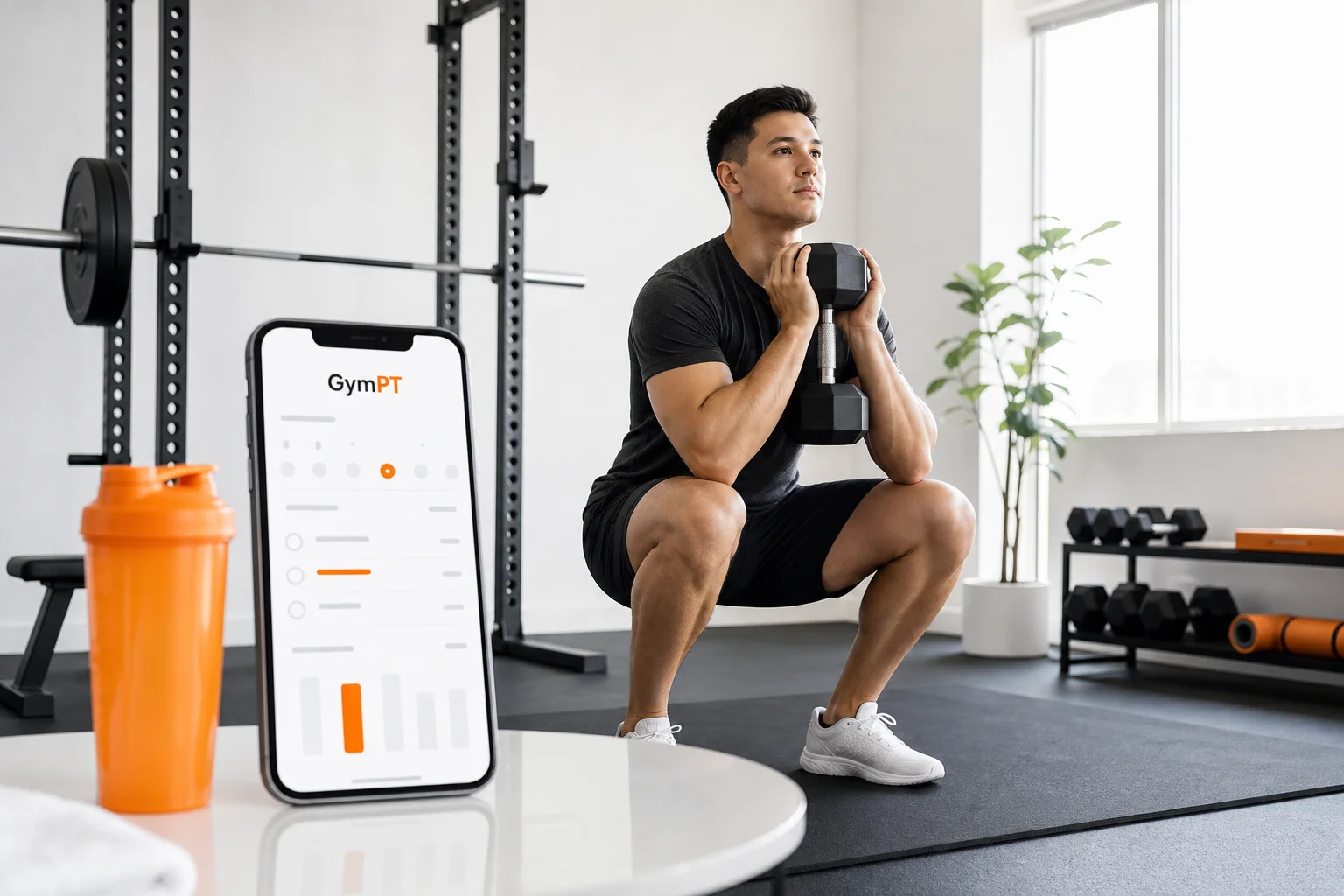
A 2 day dumbbell workout plan is a practical way to train your whole body when you have limited equipment, a busy schedule or prefer shorter weekly routines. The key is not collecting dozens of exercises. It is choosing movements that cover the major patterns, recording what you do and gradually making the work more challenging.
This plan uses two full-body sessions separated by at least one rest day. For example, you could train on Monday and Thursday, Tuesday and Friday, or any two days that allow you to recover. The routine can work at home or in a gym, and each exercise includes simple substitutions for different dumbbell options.
How to structure a 2 day dumbbell workout plan
Two weekly strength sessions can be enough to establish a consistent routine and train all major muscle groups. A full-body approach also makes sense when you only have two training days because each session contributes to your weekly practice instead of leaving an entire body part untouched for several days.
Start each workout with five to ten minutes of general movement and lighter practice sets. Then perform the main exercises while you are fresh, followed by smaller accessory movements. For most exercises, leave roughly one to three controlled repetitions in reserve rather than forcing every set to failure.
- Main lifts: 3 sets of 6–10 repetitions.
- Accessory lifts: 2–3 sets of 8–15 repetitions.
- Rest: about 90–150 seconds after demanding compound exercises and 60–90 seconds after smaller movements.
- Tempo: use a controlled lowering phase and avoid rushing through the range of motion.
Choose a load that lets you complete the target repetitions with stable technique. If you are new to training, begin at the lower end of the set and repetition ranges. Your first goal is to learn the movements and create records you can compare later.
Day 1: Squat, press and row emphasis
1. Goblet squat
Sets and repetitions: 3 × 8–12
Hold one dumbbell vertically at chest height. Sit down between your hips, keep your torso controlled and stand by driving through your feet. This exercise trains the legs while also requiring the trunk to stabilize the load.
Equipment adjustment: If your dumbbell is too light, slow the lowering phase, pause briefly at the bottom or use a split squat variation. If the dumbbell is too heavy, use a bodyweight squat until you can control the position.
2. Dumbbell floor press or bench press
Sets and repetitions: 3 × 8–12
Press two dumbbells from the floor or from a stable bench. Keep your wrists stacked over your elbows and lower the weights under control. A floor press naturally limits the depth of the movement, which can be useful when you do not have a bench.
Equipment adjustment: Use a neutral grip with your palms facing each other if that feels more comfortable. If you have only one dumbbell, perform a single-arm floor press and keep your ribs from rotating toward the loaded side.
3. One-arm dumbbell row
Sets and repetitions: 3 × 8–12 per side
Support one hand on a bench, chair or your thigh. Pull the dumbbell toward your hip while keeping your back steady. Lower it fully without dropping your shoulder forward.
Equipment adjustment: No bench is required. Use a staggered stance and brace your non-working hand on your front thigh. If the weight is light, pause at the top of each repetition instead of swinging.
4. Dumbbell Romanian deadlift
Sets and repetitions: 3 × 8–12
Hold the dumbbells near your thighs, soften your knees and push your hips backward. Keep the weights close to your legs as you lower them until you feel your hamstrings working, then stand by extending your hips.
Equipment adjustment: Two dumbbells are useful for balance, but one dumbbell held at the chest can also work. Reduce the range of motion if you cannot maintain a neutral, controlled back position.
5. Standing dumbbell overhead press
Sets and repetitions: 2–3 × 8–12
Press the dumbbells overhead without leaning backward. Keep your glutes and abdominals lightly engaged, and finish with the weights over your shoulders rather than far in front of you.
Equipment adjustment: Use a seated press if standing stability is limiting the exercise. For a lighter option, press one dumbbell at a time while resisting the urge to bend sideways.
6. Plank or suitcase carry
Sets and repetitions: 2–3 sets
Finish with either a plank held for 20–40 seconds or a suitcase carry performed for 20–40 seconds per side. These options challenge your ability to keep the trunk steady while the limbs move or while a load pulls you off balance.
Day 2: Hinge, lunge and upper-body balance
1. Reverse lunge
Sets and repetitions: 3 × 8–12 per side
Step backward, lower under control and push through the front foot to return to standing. A reverse lunge is often easier to balance than stepping forward because you can keep your center of mass more controlled.
Equipment adjustment: Start with bodyweight, then hold dumbbells at your sides. If balance is a challenge, use one hand on a stable support or perform a split squat without stepping.
2. Dumbbell deadlift
Sets and repetitions: 3 × 6–10
Place the dumbbells outside your feet or hold them at your sides. Brace your trunk, push through the floor and stand tall without leaning backward at the top. Think about moving the hips and shoulders together.
Equipment adjustment: If your dumbbells are light, use a slow eccentric phase or add a pause just below the knees. If they are too heavy, elevate them on stable blocks so you can start from a comfortable position.
3. Incline push-up or dumbbell press
Sets and repetitions: 2–3 × 8–15
Use an incline push-up against a stable surface or repeat the dumbbell press from Day 1 with a slightly different grip. Keep your elbows at a moderate angle rather than flaring them wide.
Equipment adjustment: The higher the incline, the easier the push-up. Lower the surface gradually as your strength improves. If you use dumbbells, choose a load that allows a smooth pause near the bottom.
4. Chest-supported or bent-over dumbbell row
Sets and repetitions: 3 × 8–12
Use a bench for a chest-supported row, or hinge at the hips for a bent-over row. Pull both dumbbells toward your lower ribs and keep your neck relaxed.
Equipment adjustment: Use the one-arm row from Day 1 if maintaining the bent-over position is difficult. The most useful version is the one that allows you to train the upper back without compensating with momentum.
5. Dumbbell hip thrust or glute bridge
Sets and repetitions: 3 × 10–15
Place one dumbbell across your hips, brace it with your hands and drive through your feet. Finish with your hips extended without over-arching your lower back.
Equipment adjustment: Begin with bodyweight glute bridges. If the dumbbell is light, add a two-second squeeze at the top of each repetition.
6. Lateral raise and dead bug
Sets and repetitions: 2 × 10–15 for lateral raises, 2 × 6–10 per side for dead bugs
Use light dumbbells for lateral raises and lift only as high as you can control without shrugging. For dead bugs, move slowly while keeping your ribs and pelvis controlled. These final exercises add shoulder and trunk work without requiring heavy equipment.
How to progress with limited dumbbells
Progress does not require a new weight every week. Use a simple double-progression method:
- Choose a repetition range, such as 8–12.
- Keep the same load until you can complete all prescribed sets near the top of the range with reliable technique.
- Increase the dumbbell weight by the smallest practical amount.
- Return to the lower end of the range and build up again.
When your dumbbells cannot be increased, change one variable at a time. You can add a repetition, add a set, slow the lowering phase, pause in the most difficult position, increase the range of motion or use a more demanding unilateral variation. Do not change everything at once; otherwise, it becomes difficult to understand what actually improved.
Record the exercise, load, repetitions and a short note about effort. A workout that looks “easy” on paper may have been challenging because of slower tempo, shorter rest or better technique. Your records give you a more useful picture than memory alone.
How to adapt the plan to your equipment
Before starting, list the equipment you can reliably access: adjustable dumbbells, fixed dumbbells, a bench, a chair, resistance bands or no equipment beyond the floor. Then match each training pattern to the closest available option.
- Knee-dominant movement: goblet squat, split squat or reverse lunge.
- Hip-dominant movement: Romanian deadlift, dumbbell deadlift or glute bridge.
- Horizontal push: floor press, bench press or incline push-up.
- Vertical push: standing press, seated press or single-arm press.
- Horizontal pull: one-arm row, bent-over row or chest-supported row.
- Trunk stability: plank, dead bug or suitcase carry.
If you have only one dumbbell, train one side at a time and keep the number of repetitions equal on both sides. If you have mismatched weights, use the lighter load for both sides unless the difference is very small and you can keep technique consistent.
Using GymPT to make the routine easier to follow
You can enter this routine manually in GymPT without using AI credits, then save your workout records and connections in a free account. This is useful when you are testing whether two weekly sessions fit your schedule before making the plan more complicated.
For a more personal setup, record the dumbbells you own, the exercises you prefer and the movements that need substitutions. You can request optional AI assistance, but treat it as a planning aid rather than a replacement for professional judgment. If you work with a personal trainer, you can review a program proposal and decide whether to save and use it.
A trainer can review only the programs, workout records and notes you choose to share. That creates a practical follow-up workflow: complete both sessions, log the results, share the relevant records and discuss whether the next progression should change the load, repetitions, exercise selection or recovery plan. For more ideas, see this guide to personal trainer workout adherence review.
If equipment is your main limitation, the gym equipment profile for workout planning guide can help you think through substitutions before building the program. You can also compare this routine with a 30 minute dumbbell workout plan when you need a shorter session.
Common mistakes to avoid
- Using too much weight: If you must swing, twist or shorten every repetition, the load is probably too high for the current variation.
- Changing the plan every session: Keep the main movements long enough to see whether your performance is improving.
- Ignoring recovery: Place at least one rest day between sessions and adjust volume when fatigue affects technique.
- Tracking only weight: Repetitions, range of motion, tempo and control are also useful progress markers.
- Skipping substitutions: A consistent alternative is better than missing a session because one piece of equipment is unavailable.
Use this plan for four to six weeks, review your records and then decide what needs to change. The best two-day dumbbell routine is one that matches your equipment, fits your week and gives you enough repeated practice to improve.